
Introduction
Students today are surrounded by ideas.
From startups to AI to innovation ecosystems — exposure is no longer the problem. But if you look closely, most student ideas never move beyond the initial stage.
The real challenge is not thinking differently. It’s knowing how to move from idea to execution.
Many students struggle with:
- where to begin
- how to validate what they are building
- how to understand real-world applications
As a result, innovation often stays theoretical.
This is where AIM Elevate Academy takes a different approach.
An initiative of AIM Elevate Ventures, the Academy focuses on building student innovators through measurable readiness, real enterprise exposure, and documented impact — shifting the focus from just learning to actual execution.
Why Student Innovation Often Stays at the Idea Stage
At a surface level, it may seem like students lack direction. But the issue is deeper.
Most student innovation journeys are limited by:
- lack of structured guidance
- minimal exposure to real business environments
- absence of clear validation frameworks
Without these, even strong ideas struggle to progress.
Students may understand concepts, but they often don’t experience how decisions are made, how problems evolve, or how execution actually works in real settings.
Over time, this creates hesitation — and ideas remain ideas.
A more structured approach is needed. One that goes beyond inspiration and focuses on building clarity, confidence, and execution ability.
How AIM Elevate Academy is Approaching Student Innovation Differently
AIM Elevate Academy is not positioned as a traditional learning program.
The focus is not just on teaching entrepreneurship — but on helping students experience how innovation works in practice.
This is reflected in three core principles:
- readiness over theory
- exposure over assumptions
- outcomes over activity
Instead of short-term learning cycles, the emphasis is on building a mindset that supports long-term growth.
The idea is simple: Students should not just understand innovation — they should be able to act on it.
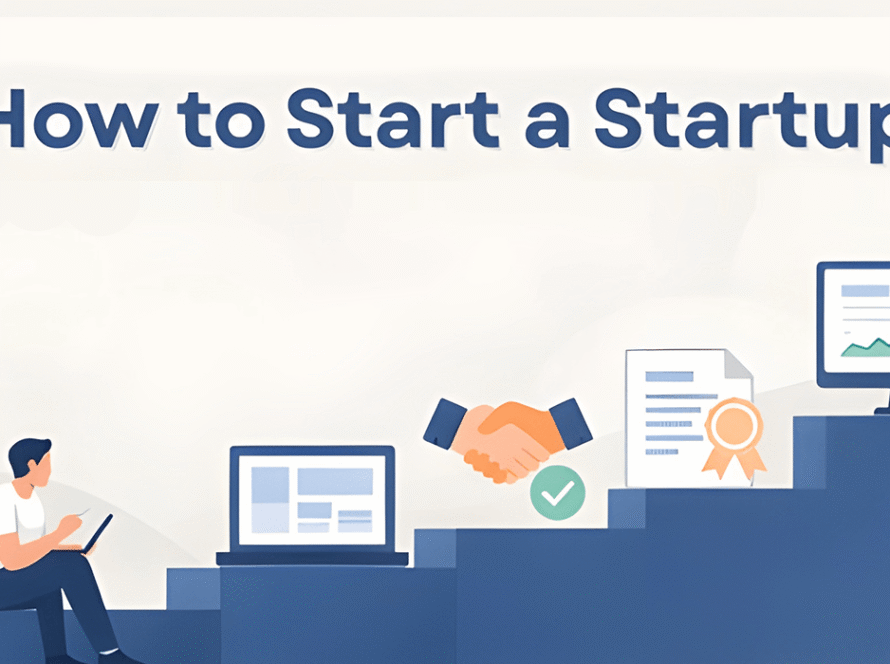
A Structured Journey from Idea to Enterprise Thinking
One of the defining aspects of AIM Elevate Academy is its structured approach to student development.
The journey is designed to move students step by step from initial thinking to real-world understanding.
Idea Submission — Creating Direction
The starting point is simple but important.
Students are encouraged to articulate their ideas clearly. This step helps move from vague thinking to defined intent — which is often where the first breakthrough happens.
Micro Enterprise Growth Clinics — Validating Ideas
Ideas without validation often fail later.
Through structured clinics, students learn how to evaluate their ideas, understand feasibility, and refine their thinking.
This stage helps shift from assumption-based thinking to a more grounded approach.
Apprenticeships — Understanding Real Work Environments
This is where theory meets reality.
Students gain exposure to real enterprise environments, allowing them to observe:
- how decisions are made
- how teams function
- how challenges are addressed
This kind of exposure builds a level of understanding that cannot be replicated through classroom learning alone.
AI Literacy — Building Awareness for the Future
Innovation today is closely linked with technology, especially AI.
AIM Elevate integrates AI literacy into the learning process, helping students understand how modern innovation ecosystems are evolving.
This prepares them to think in a more future-ready way.
Alumni Ecosystem — Continuity Beyond the Program
Learning does not stop at completion.
Students remain connected through an ongoing ecosystem, allowing them to continue building, learning, and evolving over time.
What Does “Readiness” Really Mean for Student Innovators
A key concept within AIM Elevate Academy is readiness.
Unlike traditional approaches that focus only on skills, readiness reflects a student’s ability to:
- make decisions with clarity
- think through problems structurally
- take steps toward execution
This is where measurable outcomes become important.
The Academy tracks progress through indicators such as:
- 90% student innovator readiness
- 80% idea validation success rate
- 90% real enterprise exposure rate
- 92% founder validation score
These are not just numbers — they reflect how students move from learning to applying.
The focus is on preparing students to engage with real-world challenges, not just understand them conceptually.
The Role of Real Enterprise Exposure
One of the most important gaps in student innovation is exposure.
Many programs simulate entrepreneurship. But simulation and reality are not the same.
Without real-world exposure:
- students may struggle to understand complexity
- decision-making remains theoretical
- execution confidence stays limited
By integrating real enterprise exposure into the journey, AIM Elevate helps bridge this gap.
Students begin to see how ideas evolve in real environments — and this changes how they think, plan, and act.
Why AI Literacy is Becoming Essential for Student Innovators
The innovation landscape is changing rapidly.
AI is no longer a separate domain — it is becoming a core part of how problems are solved and businesses are built.
For students, early exposure to AI thinking helps in:
- understanding emerging opportunities
- improving problem-solving approaches
- building more relevant and future-ready ideas
AIM Elevate Academy integrates this awareness into its framework, ensuring that students are not just current — but prepared for what’s ahead.
Building Innovation Through Structure, Not Just Inspiration
Inspiration is easy to find.
Execution is not.
Most students are motivated. They are curious, creative, and willing to try.
What they often lack is:
- structure
- guidance
- context
Without these, even strong ideas struggle to move forward.
A structured approach helps students:
- break down problems
- take actionable steps
- understand progress
This is where AIM Elevate’s model becomes relevant — not by pushing outcomes, but by creating an environment where progress becomes more natural.
What Students Actually Gain from This Approach
The outcome of this approach is not limited to building startups.
Instead, students gain:
- clarity in thinking
- better understanding of real-world systems
- confidence in decision-making
- exposure to how ideas evolve into execution
Not every student may become a founder.
But every student becomes more prepared, aware, and capable of navigating real-world challenges.
Why This Approach Matters Today
The expectations from students are changing.
Traditional education alone is no longer enough to prepare them for:
- fast-changing innovation cycles
- evolving technologies
- increasing complexity in problem-solving
Students who develop:
- structured thinking
- exposure to real environments
- understanding of innovation systems
are better positioned to adapt and grow.
This is not just about entrepreneurship — it is about building readiness for the future.
Conclusion: From Ideas to Measurable Impact
Student innovation does not fail because of lack of ideas.
It slows down because of lack of structure, exposure, and execution clarity.
AIM Elevate Academy addresses this by creating a pathway where students move from:
- ideas
to - validated thinking
to - real-world understanding
and eventually toward measurable progress.
It is a gradual shift — but an important one.
Because in the end, innovation is not defined by ideas alone.
It is defined by what you are able to build from them.
Frequently Asked Questions (FAQ)
By providing structured guidance, real enterprise exposure, and measurable readiness instead of only theoretical learning.
It focuses on execution, exposure, and outcomes rather than only classroom-based learning.
Yes, through apprenticeships and enterprise exposure, students gain practical understanding of how organizations operate.
It helps students move from assumptions to structured, practical thinking and improves the chances of execution.
It refers to a student’s ability to think clearly, validate ideas, and take steps toward real-world execution.